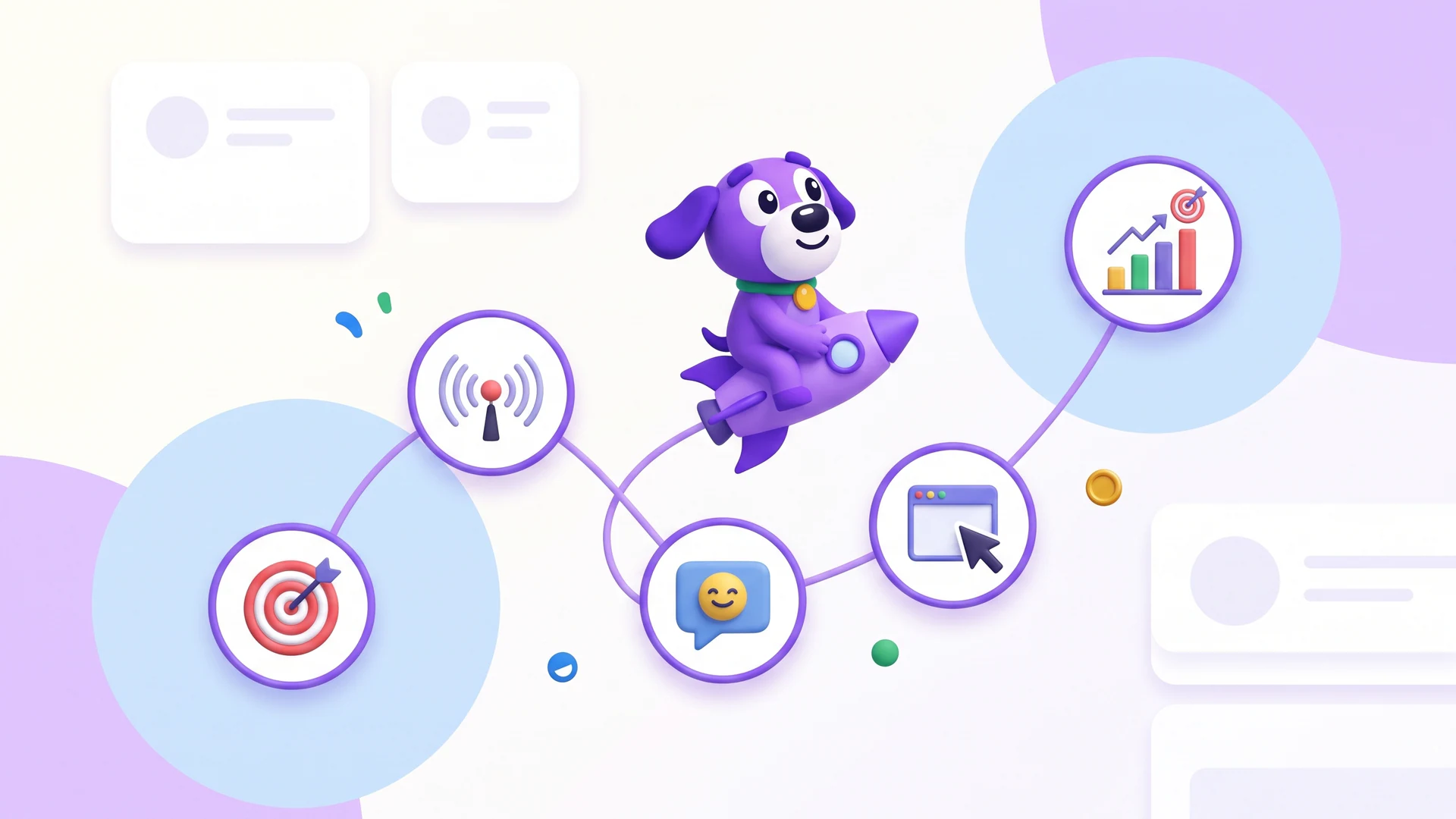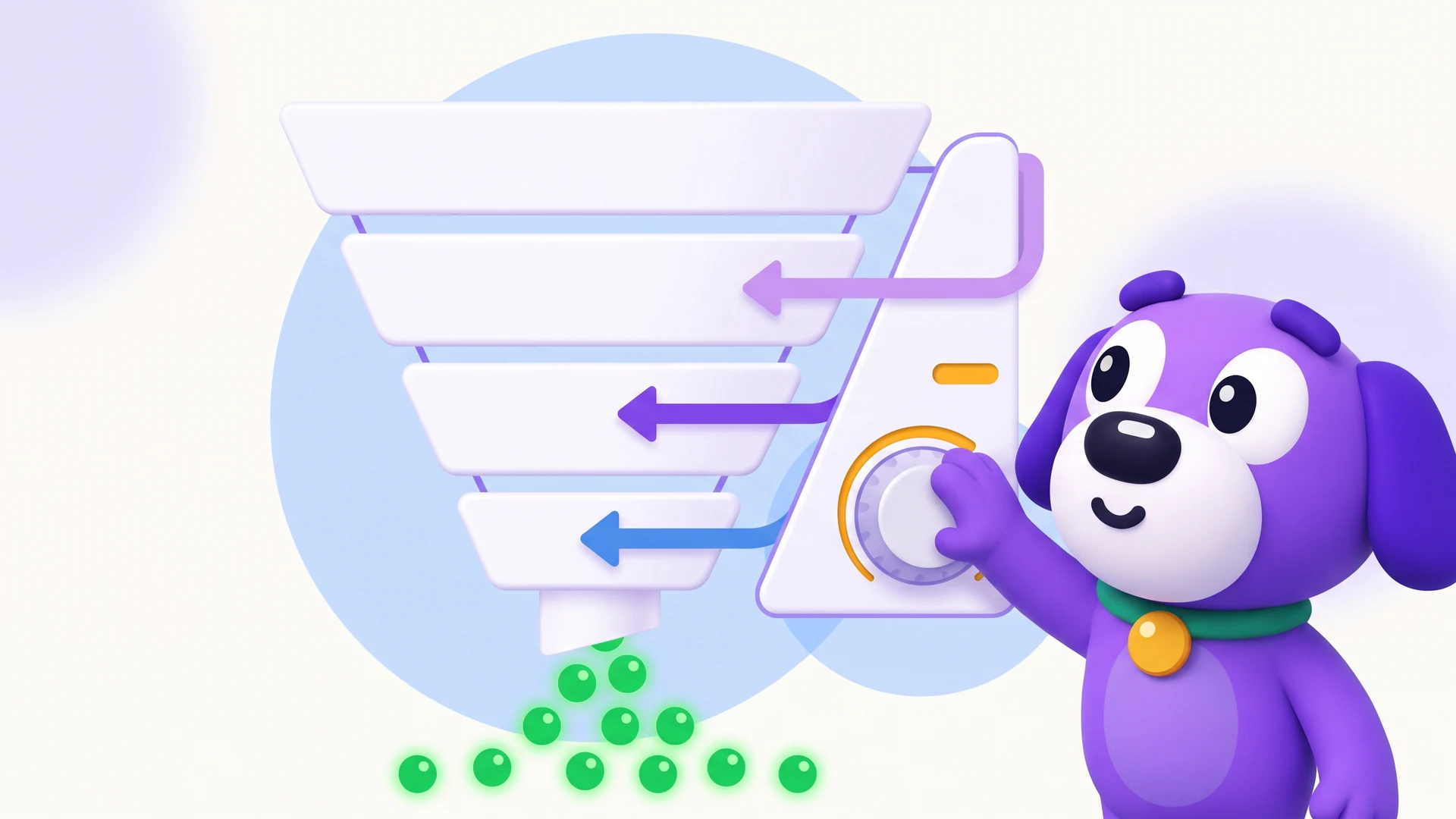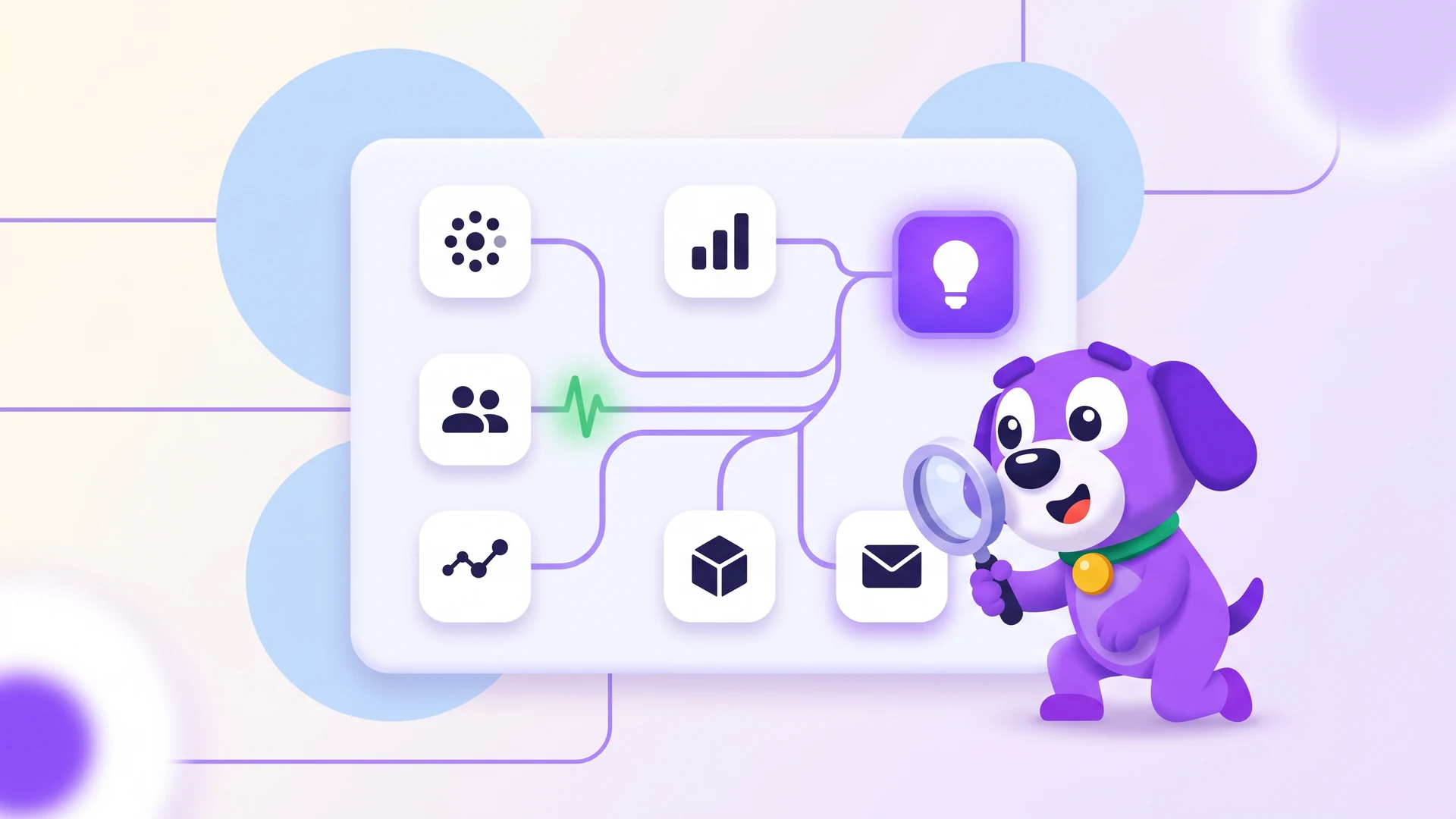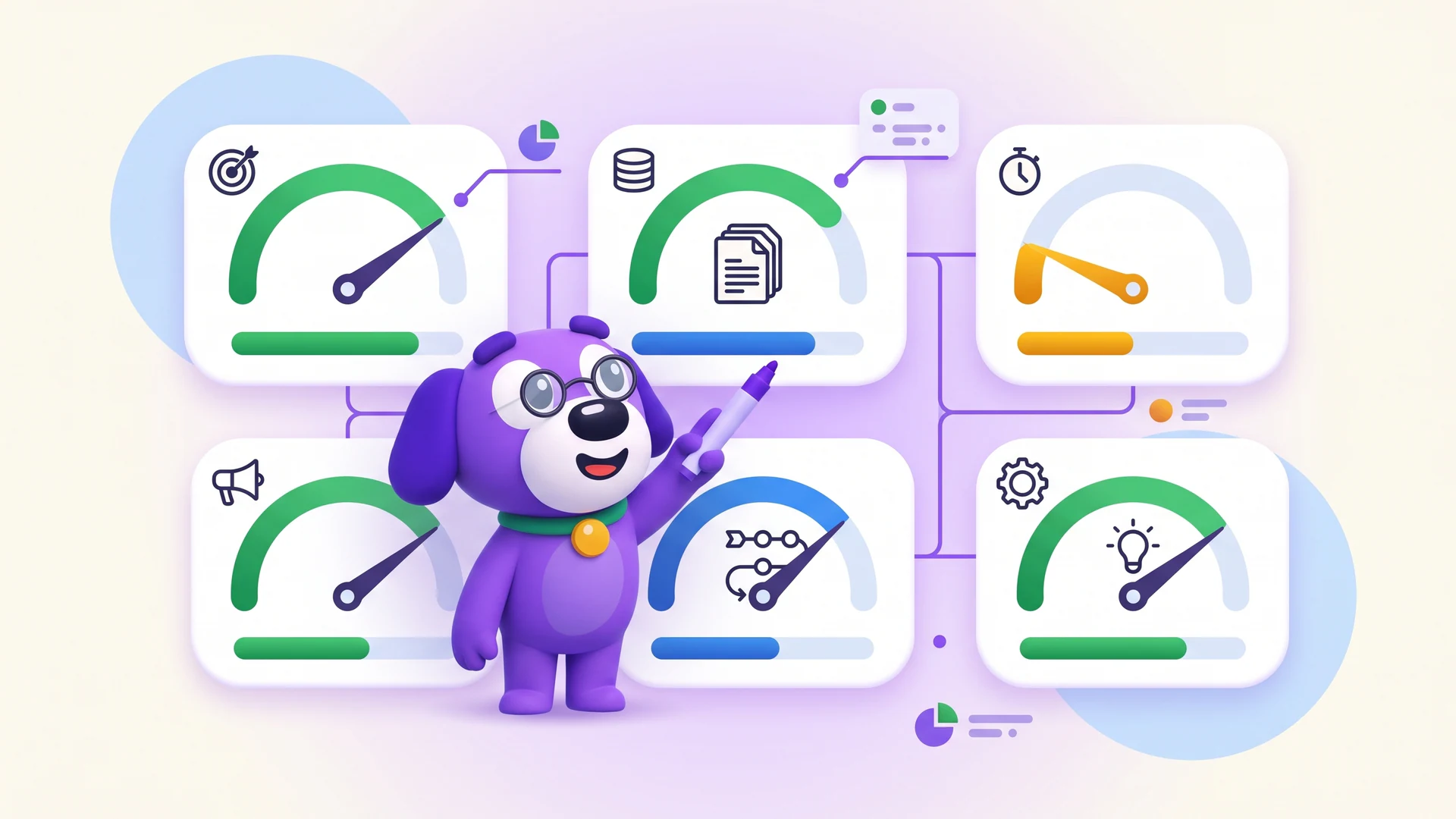
Adding more tools to an unstable outbound system mostly accelerates waste. A useful diagnostic examines dependencies: ICP quality, data reliability, signal strength, message relevance, channel orchestration, and learning speed. The most upstream bottleneck must be addressed first.
This guide is not a collection of abstract advice. It accompanies a Flairo mission located at the top of the page: answer a few questions, get a recommendation tailored to your context, then copy the deliverable into your CRM or your next sales sprint. No account creation is required to test the experience.
The decision this guide should help you make#
Your core choice is your next investment: clarifying the target, enriching data, detecting the right timing, improving messaging, stabilizing execution, or structuring analysis. The overall score matters less than the gap between these dimensions.
Level 1: A target the team can recognize#
Ask three people to independently describe the priority account and exclusions. If the answers diverge, your primary debt is strategic. An enrichment tool cannot fix an ambiguous definition. Also verify that the required fields exist in your CRM and are actually filled out.
Level 2: Timing backed by observations#
A static list does not tell you why to act now. Audit the available signals, their freshness, their source, and how each alters priority. The buying signal directory by sector helps you move from vague categories to observable events.
Level 3: A message traceable back to proof#
Take ten randomly selected sent messages. For each, can you pinpoint the observation, hypothesis, consequence, and call to question? If the text could be sent to anyone, personalization is merely cosmetic. Use the AI messaging clinic to spot empty formulations.
Level 4: A closed learning loop#
Replies should be categorized by reason, not just positive or negative. Connect objections, segments, signals, and message variants. A mature team can state which hypothesis has changed since the previous week. They also know when to pause a campaign when the data no longer allows them to interpret results.
The concrete 7-day sprint#
The goal of a short sprint is not to automate everything. It serves to reduce uncertainty through a small set of observable actions. Keep the same target, offer, and definition of success for a full week; otherwise, you will not know what explains the result.
- 01
Day 1 — score each dimension from zero to five with observable proof.
- 02
Day 2 — interview a second team member and compare scoring gaps.
- 03
Day 3 — open twenty CRM records and measure the fields that are actually usable.
- 04
Day 4 — audit ten messages and ten replies without cherry-picking the best examples.
- 05
Day 5 — select a single bottleneck and define an exit metric.
- 06
Day 6 — review replies, objections, and silences. Separate issues of targeting, timing, and messaging before modifying the campaign.
- 07
Day 7 — keep what generated a useful conversation, document what failed, and pick a single hypothesis to test the following week.
Measuring without fooling yourself#
Attach a quality metric to each dimension: ICP field coverage, signal freshness, share of justified messages, deliverability, relevant replies, and time elapsed between a reply and documented learnings. A localized improvement only counts if it advances the entire system.
Activity metrics—volume sent, views, or connections—describe output. Progression metrics—relevant replies, qualified conversations, held meetings, and pipeline opportunities—describe value created. A solid learning loop always connects both and maintains a sample of actual sent messages.
How to use this with Flairo#
Start with the personalized deliverable on this page. Then turn each hypothesis into a scoped campaign: one segment, one signal, one angle, and one call to action. Flairo can centralize research, scoring, email and LinkedIn sequences, as well as reply analysis. The role of AI is not to disguise a generic message; it is to make a specific observation faster to act upon.
To build the complete system, continue with the buying signal prospecting guide, the ICP + timing scoring model, and the 30-day outbound playbook.