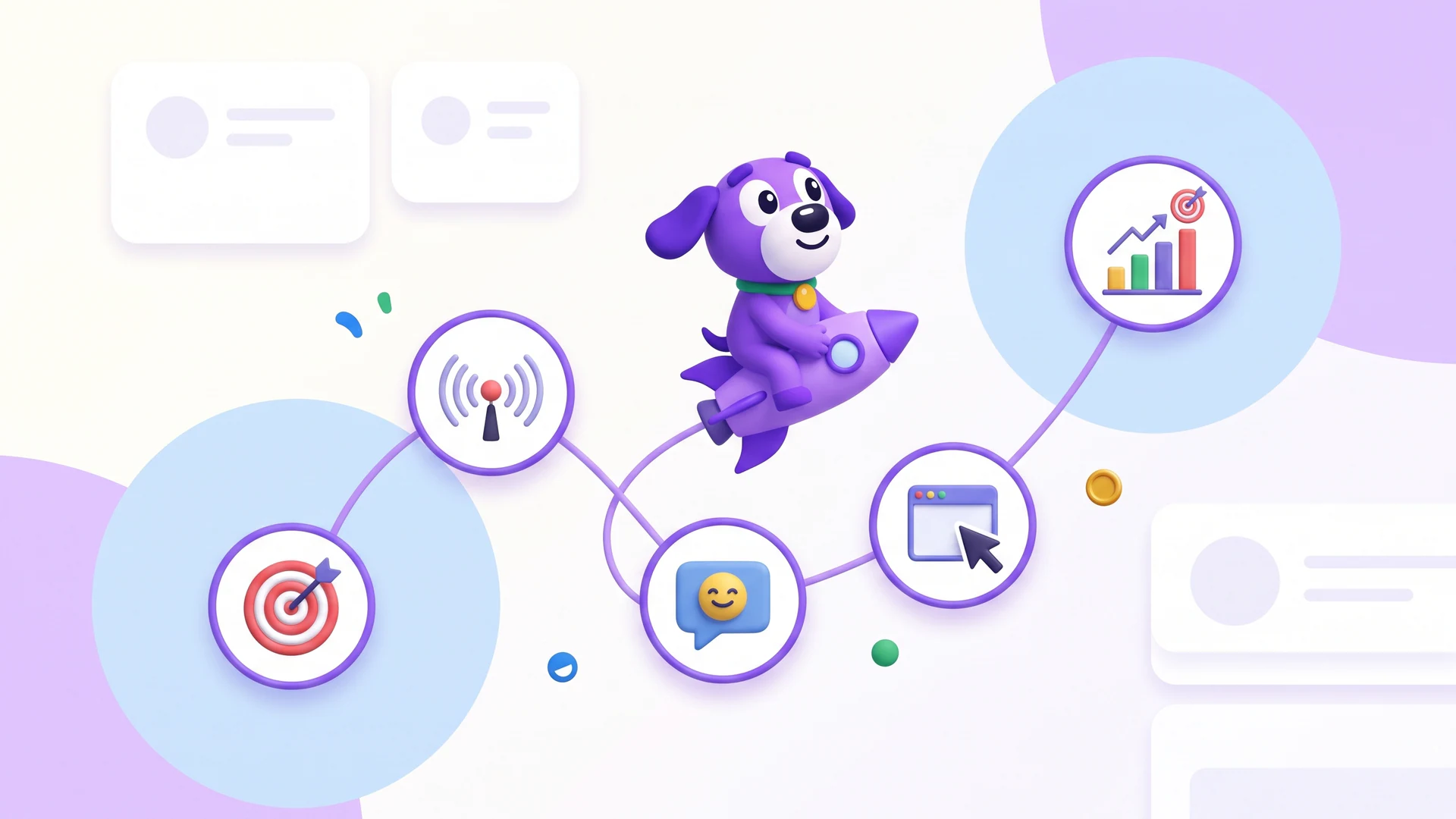
SaaS prospecting often fails between two extremes: targeting the entire market with a generic promise, or waiting for perfect intent data that will never come. A good playbook connects a narrow segment, a costly problem, observable events, and a product experience consistent with the message.
This guide is not a collection of abstract advice. It accompanies a Flairo mission located at the top of the page: answer a few questions, get a recommendation tailored to your context, and copy the deliverable directly into your CRM or next sales sprint. No account creation is required to try the experience.
The decision this guide should help you make#
Select a starting motion: founder-led sales, SDR-assisted, product-led with sales intervention, or account-based. Your ACV, integration complexity, number of stakeholders, and account volume determine the acceptable level of research.
Connecting the segment to a verifiable value proposition#
Write the value proposition in this format: for which company, in what situation, achieving what outcome, through which mechanism, and backed by what proof. The mechanism is essential; it separates your product from a marketing promise. Ensure the demo quickly showcases this distinction instead of touring every feature.
Combining fit, timing, and behavior#
Fit comes from lasting characteristics. Timing comes from recent events: hiring, growth, leadership changes, migrations, or launches. Behavior comes from interactions with your website or product, where technical capability and consent permit. Keep these categories distinct to understand why an account is a priority.
Writing a sequence that adds information#
The first touch presents an observation and a hypothesis. The second brings an example, an angle, or proof. The third simplifies the question or closes the loop. Repeating the same message across three different subject lines is not a sequence. The AI messaging test can challenge each variant before sending.
Turning the demo into a diagnostic#
The demo should start from the prospect's workflow and produce a small decision: priority, scenario, risk, or estimate. Show only the capabilities relevant to the case. An interactive workspace within the article or a pre-filled template can prove value before the meeting and generate insights into actual needs.
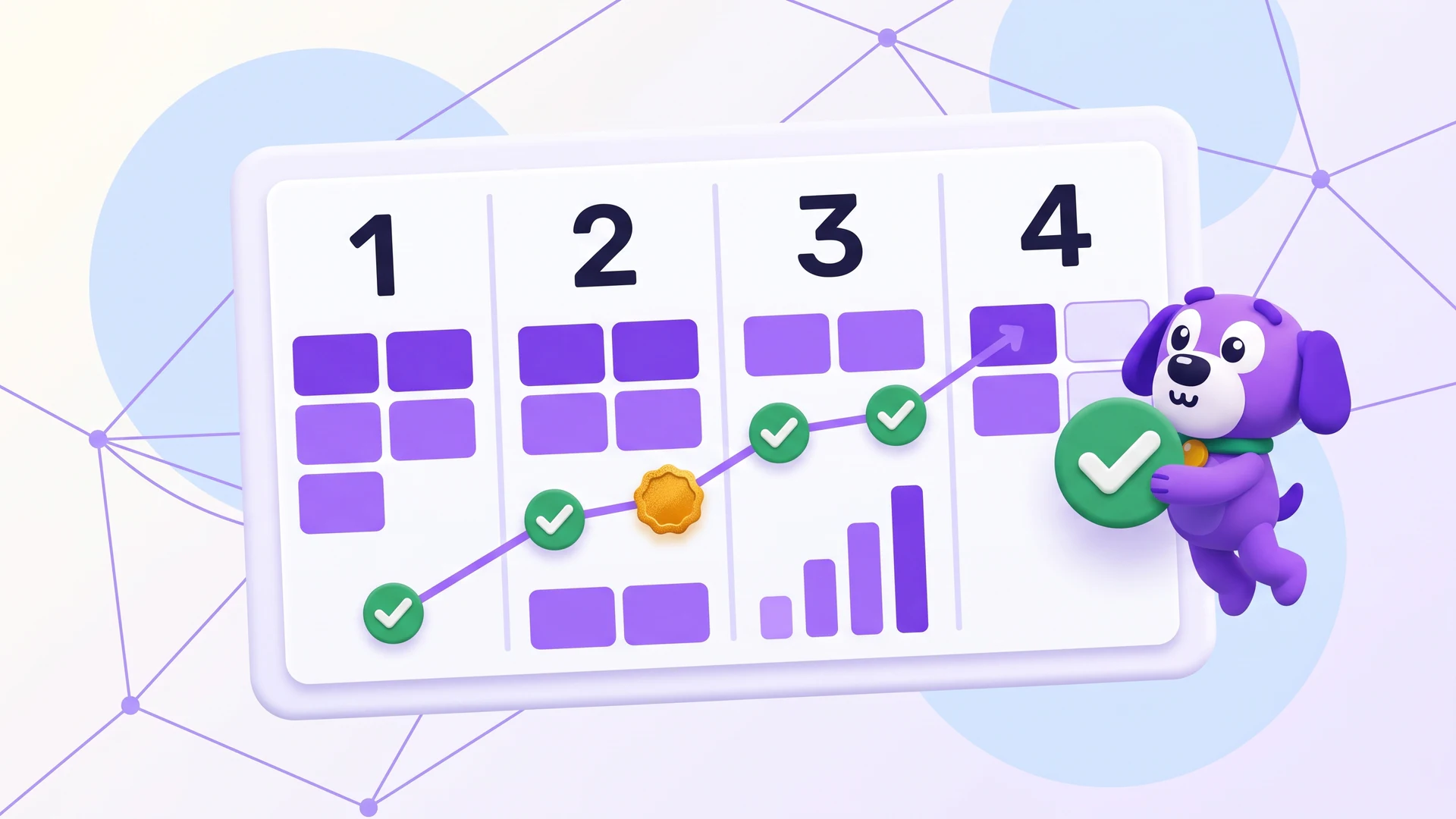
The concrete seven-day sprint#
The goal of a short sprint is not to automate everything. It serves to reduce uncertainty with a small set of observable actions. Keep the same target, the same offer, and the same definition of success for one week; otherwise, you won't know what caused the outcome.
- 01
Day 1 — Choose a segment and a single promise linked to a product mechanism.
- 02
Day 2 — Define five signals and research thirty accounts with a dated source.
- 03
Day 3 — Write a three-touch sequence where each message adds new information.
- 04
Day 4 — Prepare a fifteen-minute demo based on a specific workflow.
- 05
Day 5 — Reach out to ten contacts and review each response within the account's context.
- 06
Day 6 — Review responses, objections, and non-responses. Separate targeting, timing, and messaging issues before modifying the campaign.
- 07
Day 7 — Keep what generated a useful conversation, document what failed, and select a single hypothesis to test the following week.
Measuring without self-deception#
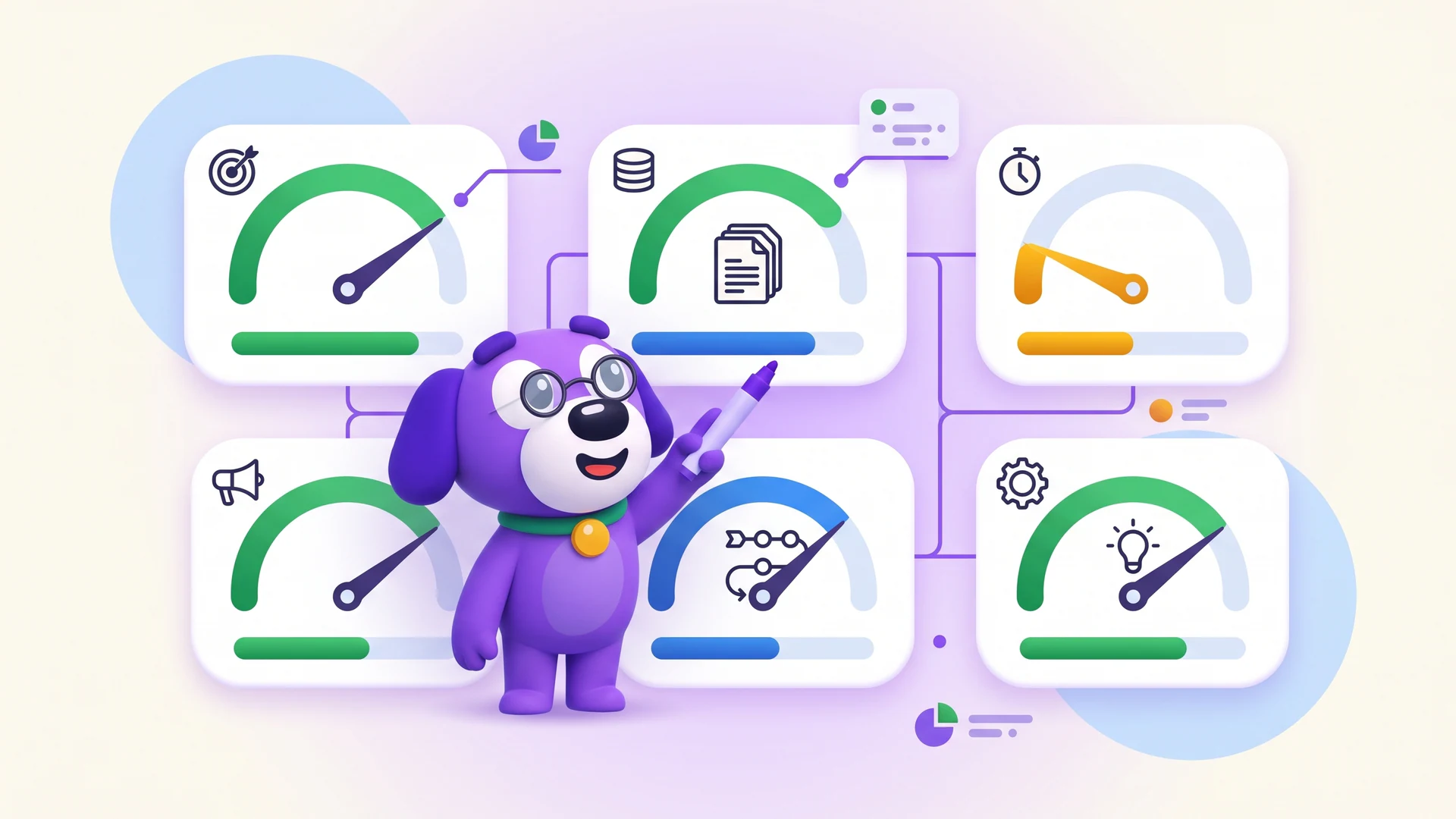
Connect responses, meetings, product activation, opportunities, and revenue back to the segment, signal, and angle. Meeting rates alone can reward exaggerated promises. Also monitor post-demo conversion and reasons for non-activation.
Activity metrics—volume sent, views, or connections—describe the effort output. Progression metrics—relevant replies, qualified conversations, completed meetings, and opportunities—describe the value created. A good learning loop always connects the two and retains a sample of the messages actually sent.
How to use it with Flairo#
Start with the custom deliverable on this page. Then turn each hypothesis into a scoped campaign: one segment, one signal, one angle, and one call to action. Flairo can centralize research, scoring, email and LinkedIn sequences, as well as reply analysis. The role of AI is not to dress up a generic message; it is to make a specific observation actionable faster.
To build the complete system, continue with the signal-based prospecting guide, the ICP + timing scoring model, and the 30-day outbound playbook.