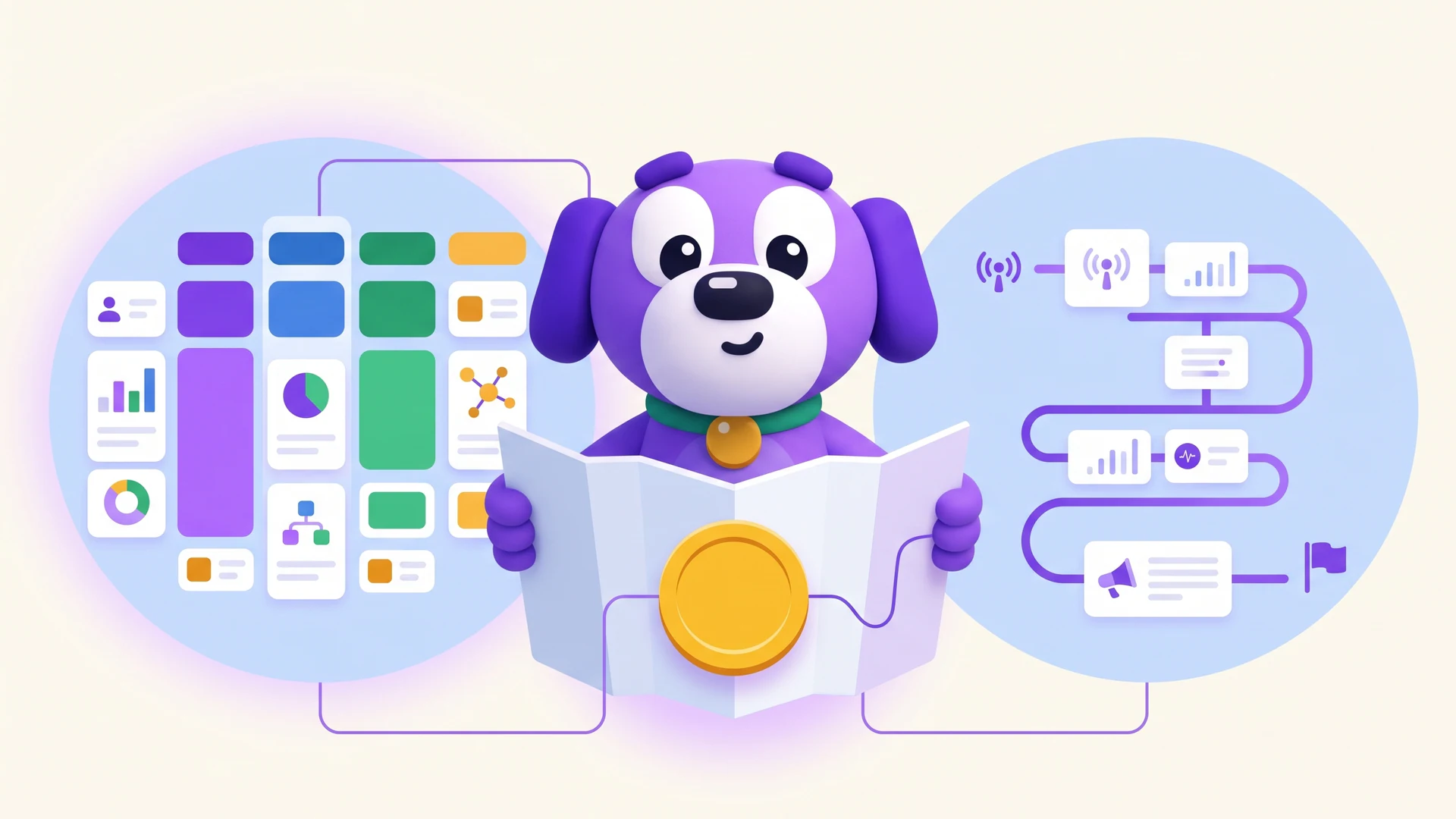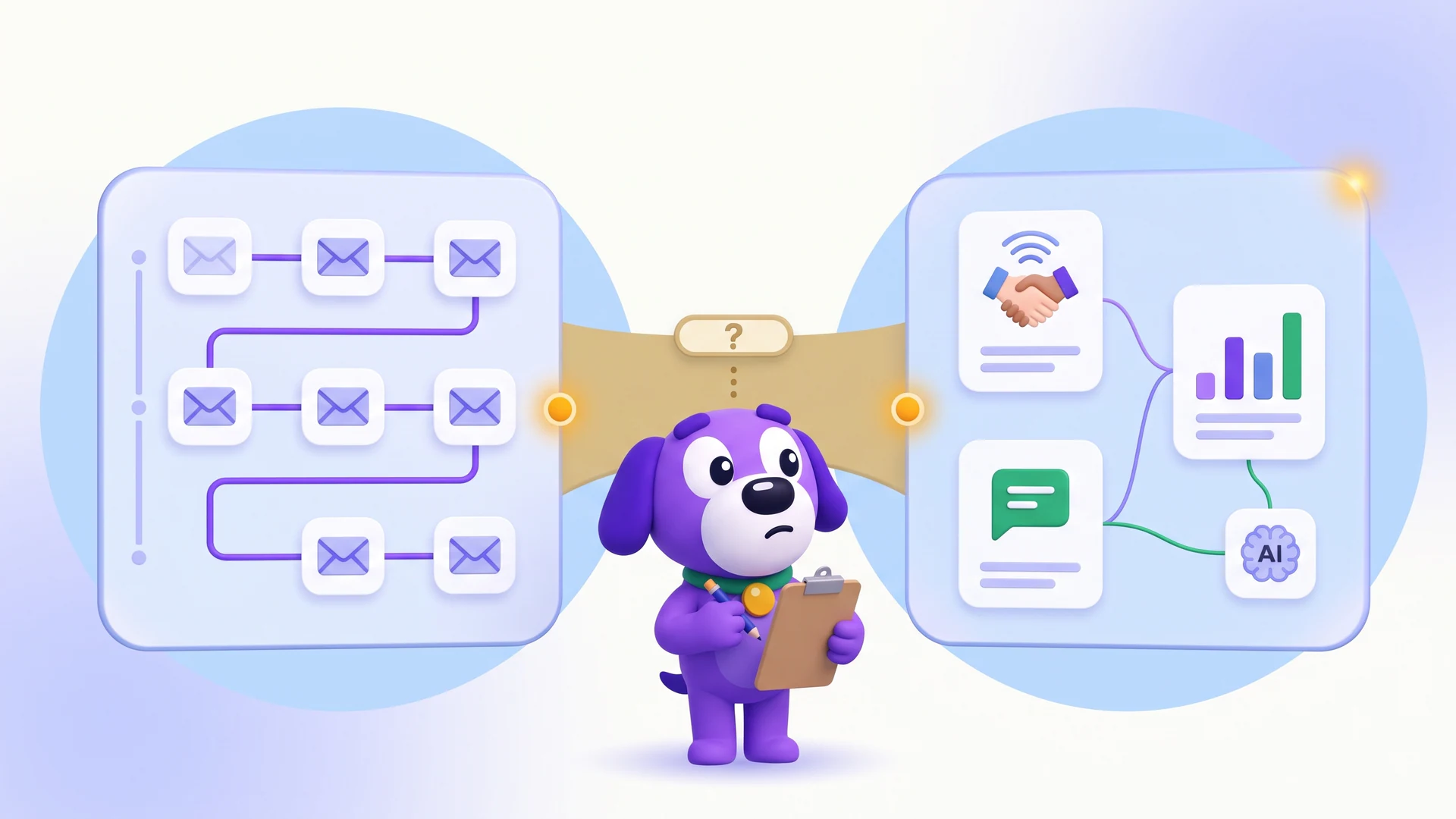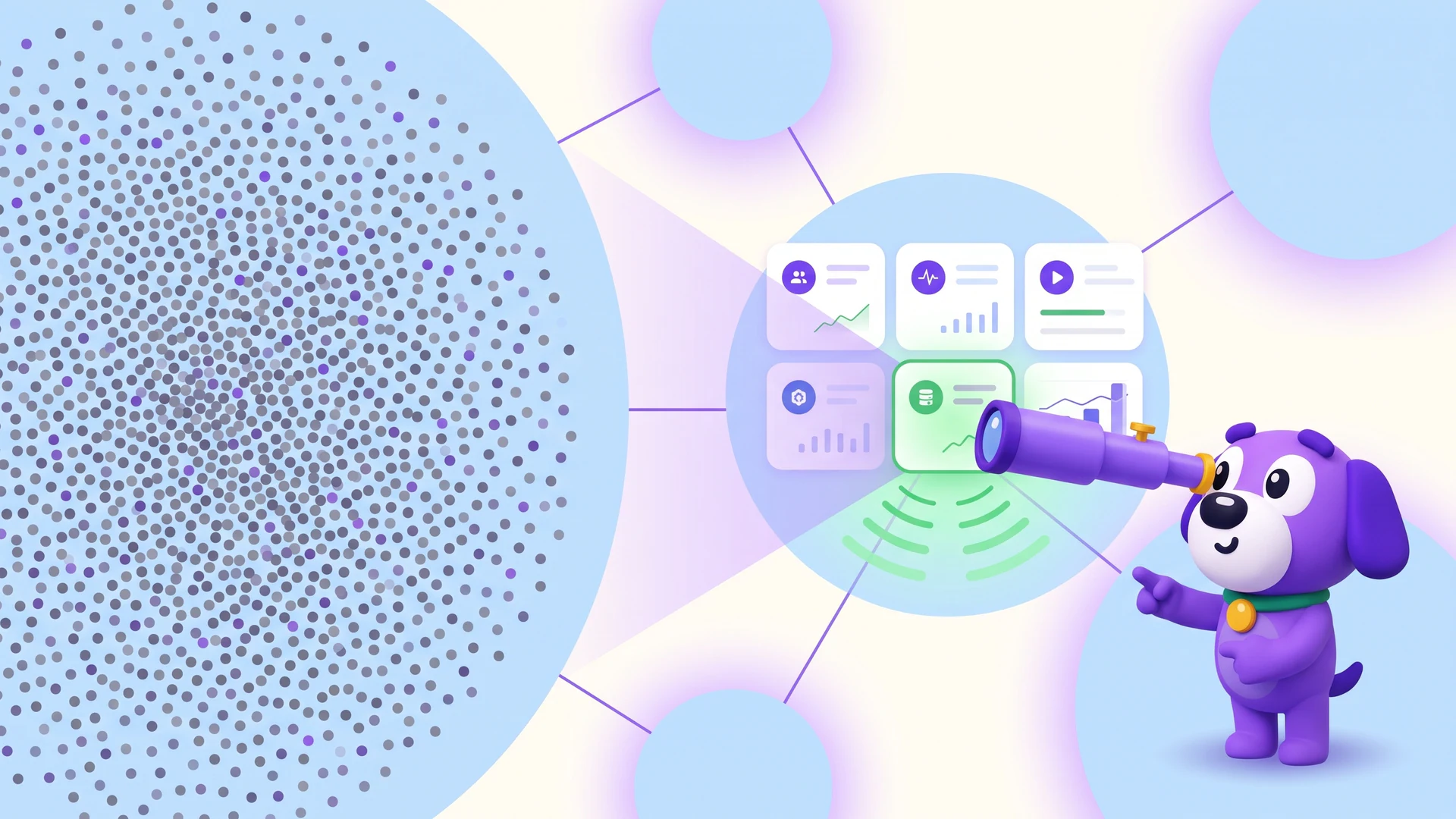
A large contact database answers the question 'who can we reach?'. Signal-based prospecting answers 'why does this account deserve action right now?'. Both needs can coexist, but their order changes the quality, cost, and volume of the workflow.
This guide is not a collection of abstract advice. It accompanies a Flairo mission located at the top of the page: answer a few questions, get a tailored recommendation for your context, and copy the deliverable directly into your CRM or next sales sprint. No account creation is required to test the experience.
The Decision This Guide Helps You Make#
Determine whether your bottleneck is contact coverage, timing-based prioritization, channel orchestration, or analytics. Check official pages for current features and pricing; use the comparison methodology provided here.
Data Coverage and Quality#
Test a sample of accounts matching your ICP, not just the most well-known logos. Check job titles, company info, data freshness, emails, duplicate entries, and geographies. Also measure verification costs and usage rights. Available data is not automatically relevant or usable in your specific context.
Prioritization and Buying Intent#
A firmographic search produces a list. Then add events, freshness, confidence, and a causal connection to your offer. Flairo structures this signal layer and its transition into messaging. Apollo may address other data and engagement needs depending on its current offering; test both against your priority events.
Sequences and Control#
Compare the ability to coordinate email, LinkedIn, tasks, stop rules, and reply classification. Check draft transparency and how easily manual approval can be enforced. A powerful sequence without precise targeting accelerates noise; an excellent signal without reliable execution goes unused.
Total Workflow Cost#
Add up licenses, credits, verification, integrations, maintenance, research time, and error correction. The cost per contact tells you nothing about the cost per qualified conversation. The outbound calculator helps connect these metrics to a customer acquisition target.
The 7-Day Actionable Sprint#
The goal of a short sprint is not to automate everything. It serves to reduce uncertainty using a small set of observable actions. Keep the same target, the same offer, and the same definition of success for a week; otherwise, you won't know what explains the outcome.
- 01
Day 1 — create a sample of fifty representative accounts.
- 02
Day 2 — measure coverage and manually verify a sub-sample.
- 03
Day 3 — add five signals and observe what changes the priority.
- 04
Day 4 — generate the same sequence with stop rules and manual approval.
- 05
Day 5 — calculate the cost per actionable account and per meaningful conversation.
- 06
Day 6 — review responses, objections, and silences. Separate targeting, timing, and messaging issues before modifying the campaign.
- 07
Day 7 — keep what generated a meaningful conversation, document what failed, and select a single hypothesis to test the following week.
Measuring Without Deluding Yourself#
Track valid coverage, freshness, deliverability, relevant responses, setup time, and total cost. Record the trial date, the plan used, and any limitations encountered to prevent an outdated comparison from becoming a permanent assumption.
Activity metrics—volume sent, views, or connections—describe the work produced. Progression metrics—relevant responses, qualified conversations, held meetings, and pipeline opportunities—describe the value created. A good learning loop always links the two and maintains a sample of the messages actually sent.
How to Use This with Flairo#
Start with the custom deliverable on this page. Then turn each hypothesis into a scoped campaign: one segment, one signal, one angle, and one call to action. Flairo can centralize research, scoring, email and LinkedIn sequences, and response analytics. The role of AI is not to disguise a generic message; it is to make a specific observation faster to act upon.
To build the full system, continue with the signal-based prospecting guide, the ICP + timing scoring model, and the 30-day outbound playbook.