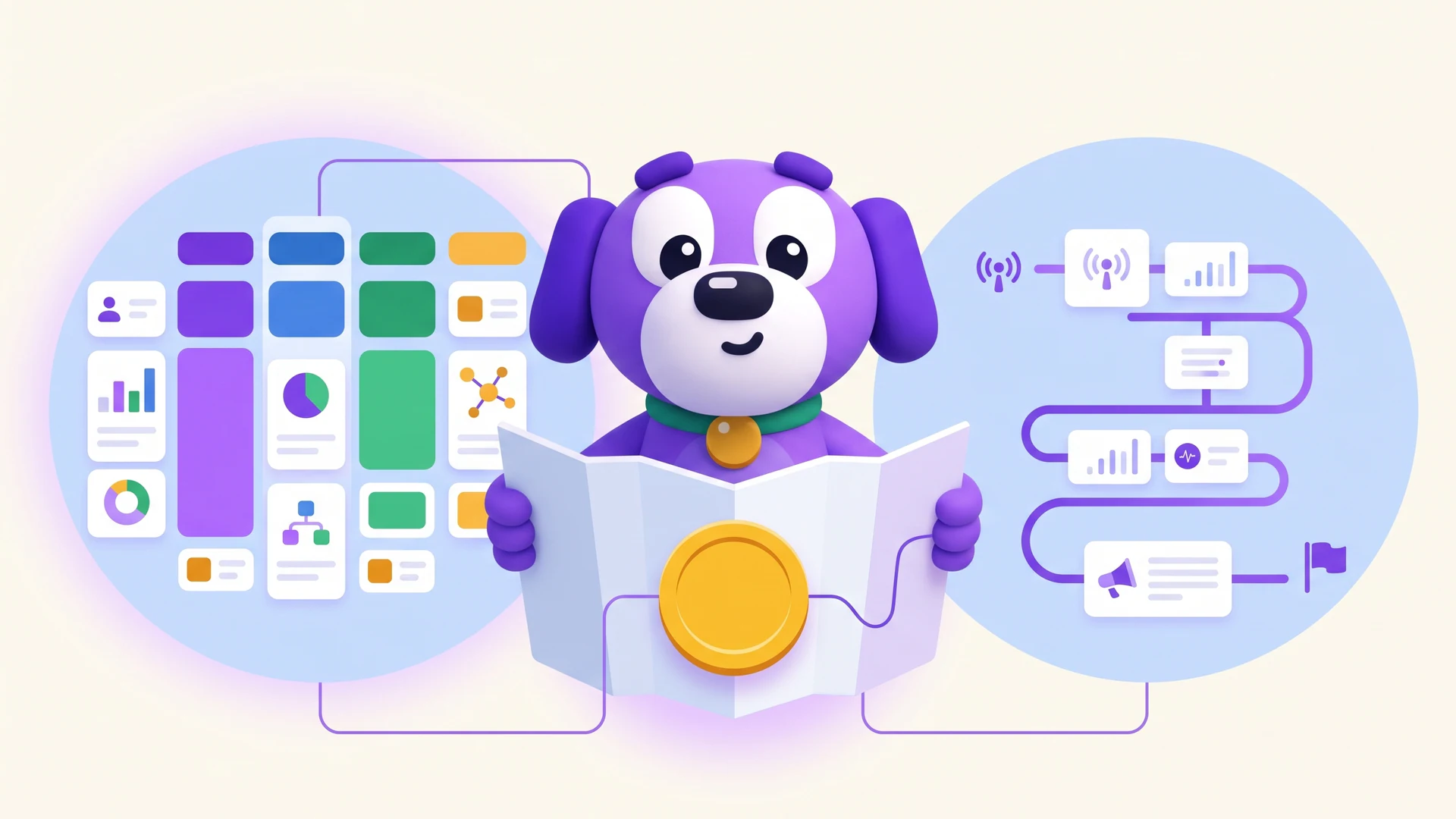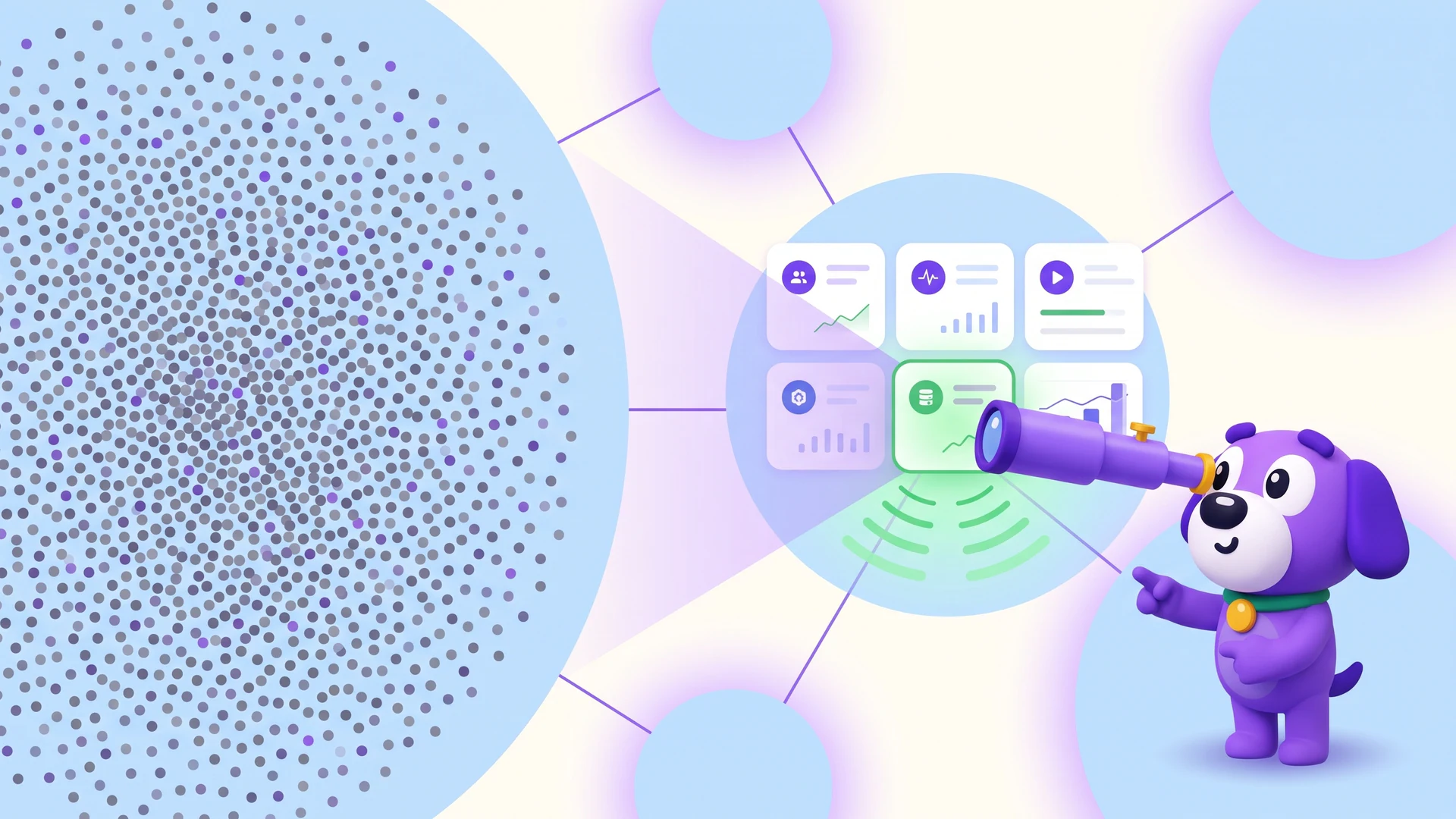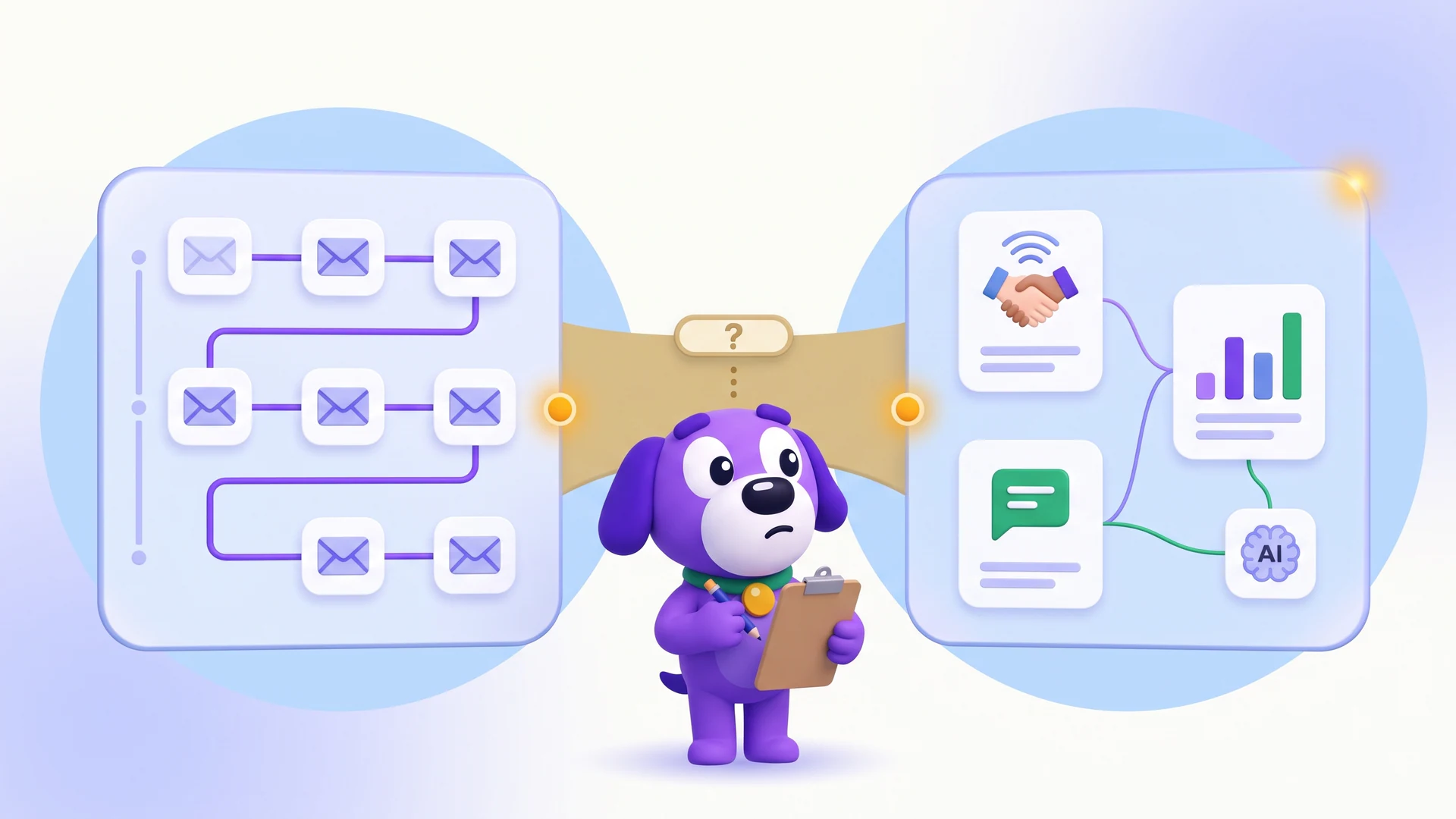
Outbound prospecting platforms aren't distinguished solely by the number of steps in a sequence. The real workflow begins before sending: defining the target, detecting the timing, verifying the data, and selecting the angle. It continues after the reply through qualification and learning.
This guide is not a collection of abstract advice. It accompanies a Flairo mission located at the top of the page: answer a few questions, get a tailored recommendation for your context, and copy the deliverable into your CRM or next sales sprint. No account creation is required to test the experience.
The decision this guide should help you make#
Determine whether you are primarily looking for an engagement and deliverability tool, or a system that structures targeting, signals, and campaigns. Offerings evolve: check capabilities, pricing, and policies directly with vendors before buying.
Starting the comparison before the first email#
Give both tools an identical raw list and observe the work required to establish a justified priority. Can you distinguish fit from timing, retain the signal source, and explain the score? Flairo puts this preparation at the center. Evaluate lemlist on its current features using the same protocol, without assuming an older comparison remains accurate.
Personalize with a reason, not a token#
Compare how each system connects observation, consequence, and proof. Personalized variables and images can catch the eye, but they don't replace relevance. Have ten drafts reviewed and count the claims that cannot be traced back to a source.
Test orchestration and stop conditions#
Replicate email, LinkedIn, human tasks, delays, and stop-on-reply conditions. Check for duplicates, time zones, limits, error visibility, and prospect experience. A campaign must be easy to slow down or pause quickly when a data source becomes incorrect or a signal expires.
Choose based on your organization#
A team that already has lists, signals, and rules can prioritize execution. A small team looking for an integrated methodology will place higher value on a guided workflow. Also check out the 2026 prospecting tools comparison to distinguish data, orchestration, and engagement.
The concrete seven-day sprint#
The goal of a short sprint isn't to automate everything. It serves to reduce uncertainty using a small set of observable actions. Keep the same target, the same offer, and the same definition of success for one week; otherwise, you won't know what explains the result.
- 01
Day 1 — choose a segment, a signal, and twenty representative accounts.
- 02
Day 2 — prepare the data without hiding missing fields.
- 03
Day 3 — build the same sequence and the same stop rules.
- 04
Day 4 — compare ten drafts, then simulate replies and errors.
- 05
Day 5 — calculate preparation time, risk, cost, and meaningful conversations.
- 06
Day 6 — review replies, objections, and silences. Separate targeting, timing, and messaging issues before modifying the campaign.
- 07
Day 7 — keep what generated a meaningful conversation, document what failed, and pick a single hypothesis to test the following week.
Measure without kidding yourself#
Measure time to proper launch, proportion of messages justified by proof, deliverability, relevant responses, maintenance, and total cost. The best interface is not necessarily the best system for your current stage.
Activity metrics—volume sent, views, or connections—describe the work produced. Progress metrics—relevant replies, qualified conversations, held meetings, and opportunities—describe the value created. A good learning loop always links the two and preserves a sample of the actual messages sent.
How to use it with Flairo#
Start with the custom deliverable on this page. Then turn each hypothesis into a scoped campaign: one segment, one signal, one angle, and one call to action. Flairo can centralize research, scoring, email and LinkedIn sequences, as well as reply analysis. The role of AI is not to disguise a generic message; it is to make a specific observation faster to act upon.
To build the complete system, continue with the signal-based prospecting guide, the ICP + timing scoring model, and the 30-day outbound playbook.