A multichannel sequence can coordinate multiple touchpoints, but it doesn't necessarily decide which accounts are worth the effort. Comparing Flairo and La Growth Machine therefore requires observing two layers: selection by fit and timing, then execution and reactions across each channel.
This guide is not a collection of abstract tips. It accompanies a Flairo mission located at the top of the page: answer a few questions, get a recommendation tailored to your context, then copy the deliverable into your CRM or your next sales sprint. No account creation is required to test the experience.
The decision this guide should help you make#
Choose based on your bottleneck: lack of prioritization, multichannel workflow, message preparation, response visibility, or team capacity. Check official sources for current pricing and plans; this page provides a repeatable test.
Evaluating target building#
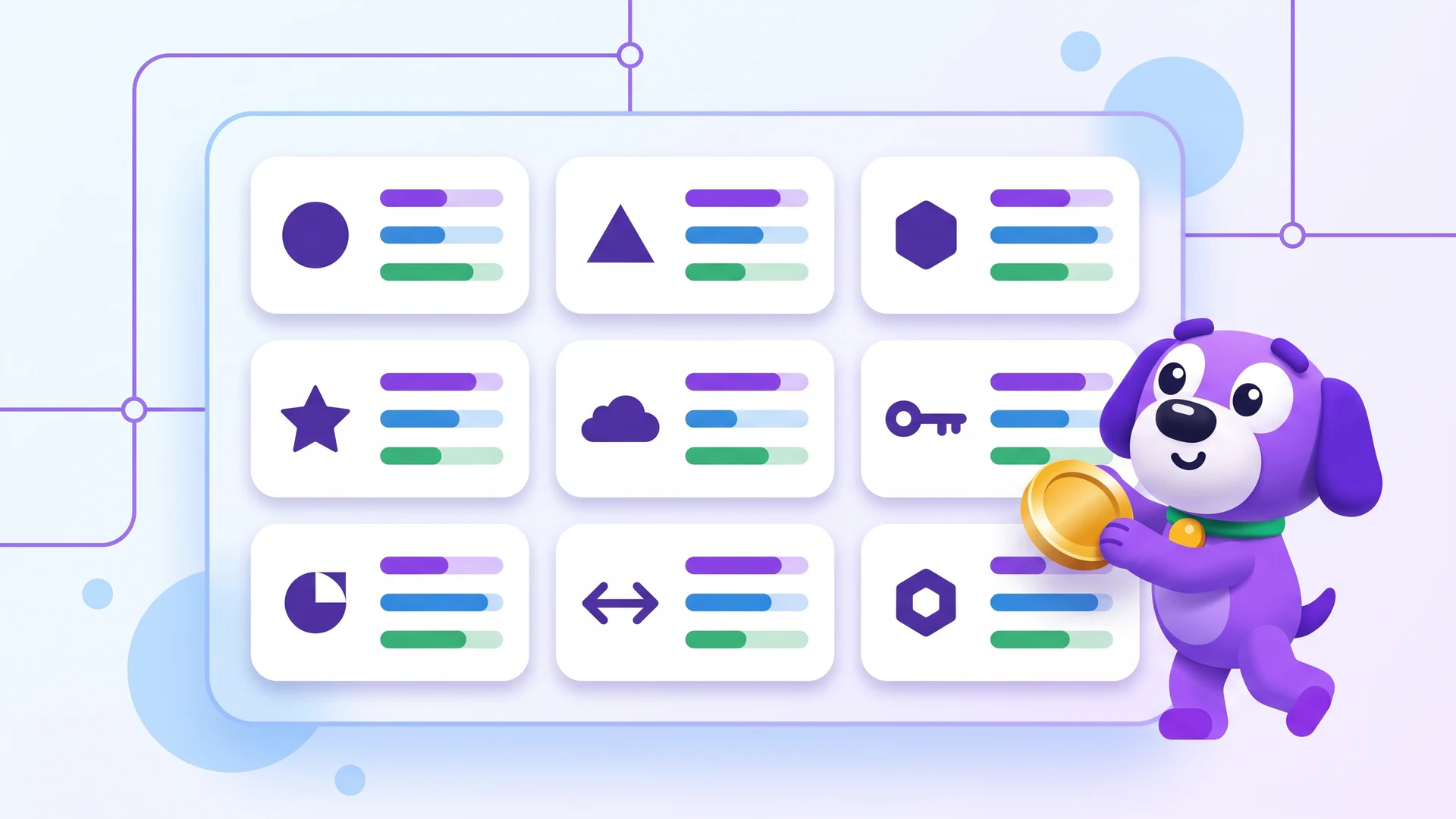
Start with an ICP and thirty accounts. Measure what each tool requires to find contacts, verify sources, and explain priority. Flairo aims for continuity between signal, scoring, and campaign. Evaluate La Growth Machine on its current scope of orchestration and data using the same batch.
Replicating a real multichannel scenario#
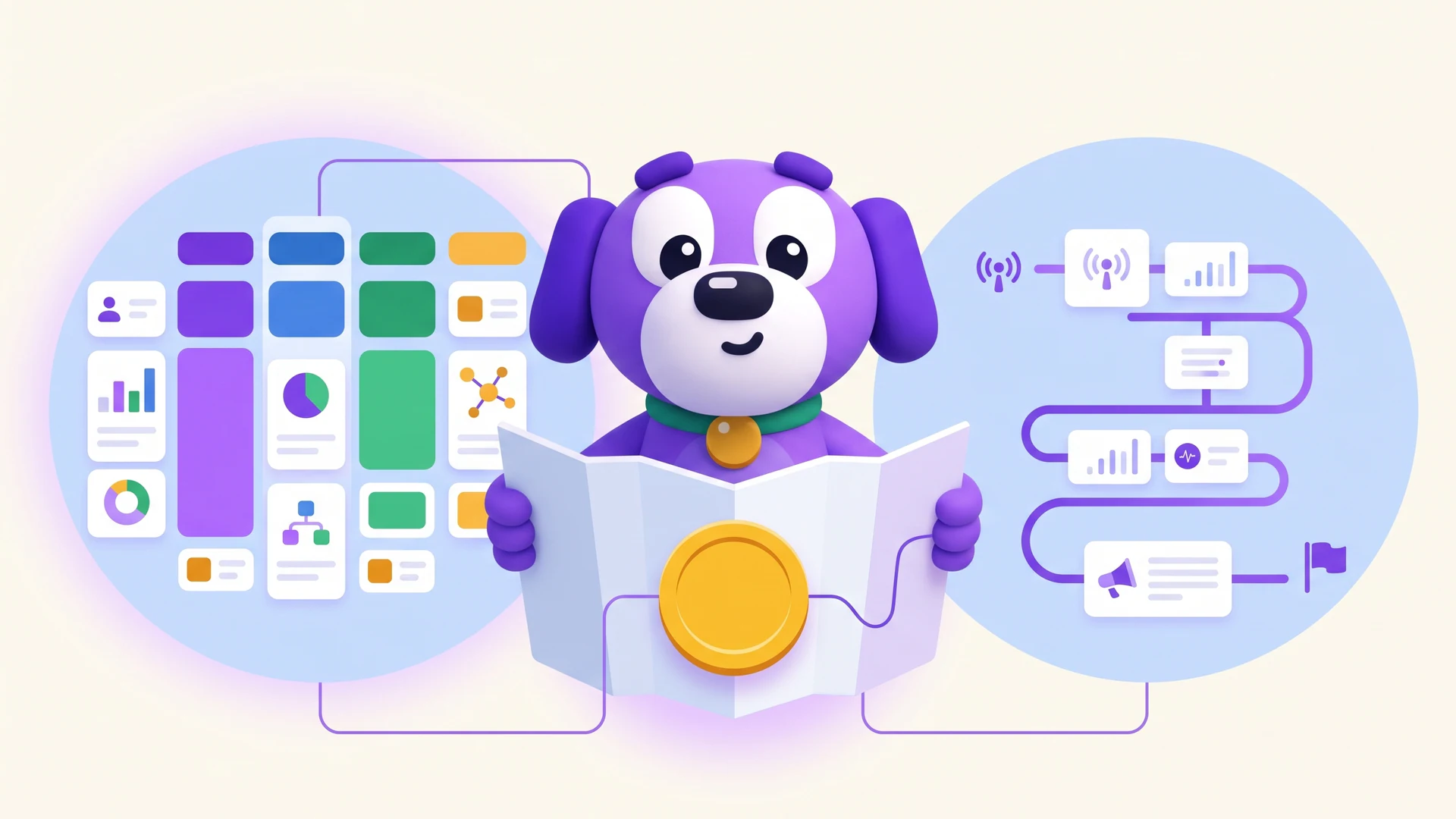
Create a profile visit, an invitation if appropriate, an email, a task, and a follow-up that provides information. Test stop-on-reply, channel unavailability, data errors, and existing customers. Robustness on exceptions is more important than smooth animations in the workflow builder.
Verifying control and quality#
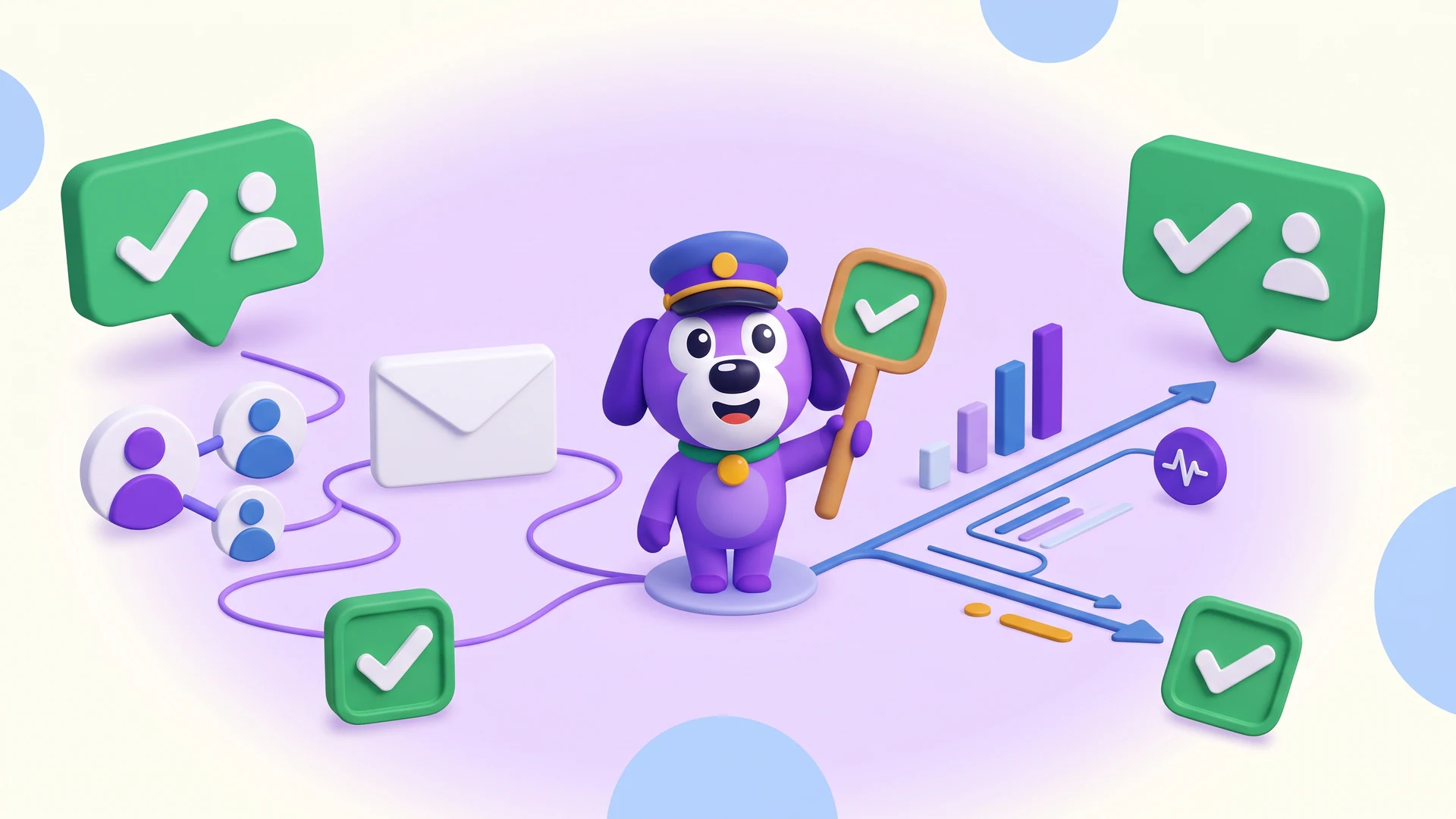
Observe available validations, volume limits, schedule visibility, and duplicate prevention. Review messages generated from incomplete data. An autonomous workflow must explain what it knows, what it assumes, and why an action is allowed.
Comparing the adoption cost#
Account for import, cleanup, setup, training, monitoring, and integrations—not just the license. A team that already owns its targeting logic can optimize execution; a team still searching for market fit must protect learning time. The outbound maturity diagnostic helps identify this stage.
The concrete seven-day sprint#
The goal of a short sprint is not to automate everything. It serves to reduce uncertainty with a small set of observable actions. Keep the same target, the same offer, and the same definition of success for a week; otherwise, you won't know what explains the results.
- 01
Day 1 — document the multichannel scenario and expected stop conditions.
- 02
Day 2 — load a sample that includes duplicates and missing data.
- 03
Day 3 — build the same sequence and review every action.
- 04
Day 4 — simulate a reply, a decline, and a priority shift.
- 05
Day 5 — track time, fixes, visibility, and expected sales outcomes.
- 06
Day 6 — review responses, objections, and non-replies. Separate issues with targeting, timing, and messaging before modifying the campaign.
- 07
Day 7 — keep what generated a useful conversation, document what failed, and choose a single hypothesis to test the following week.
Measuring without kidding yourself#
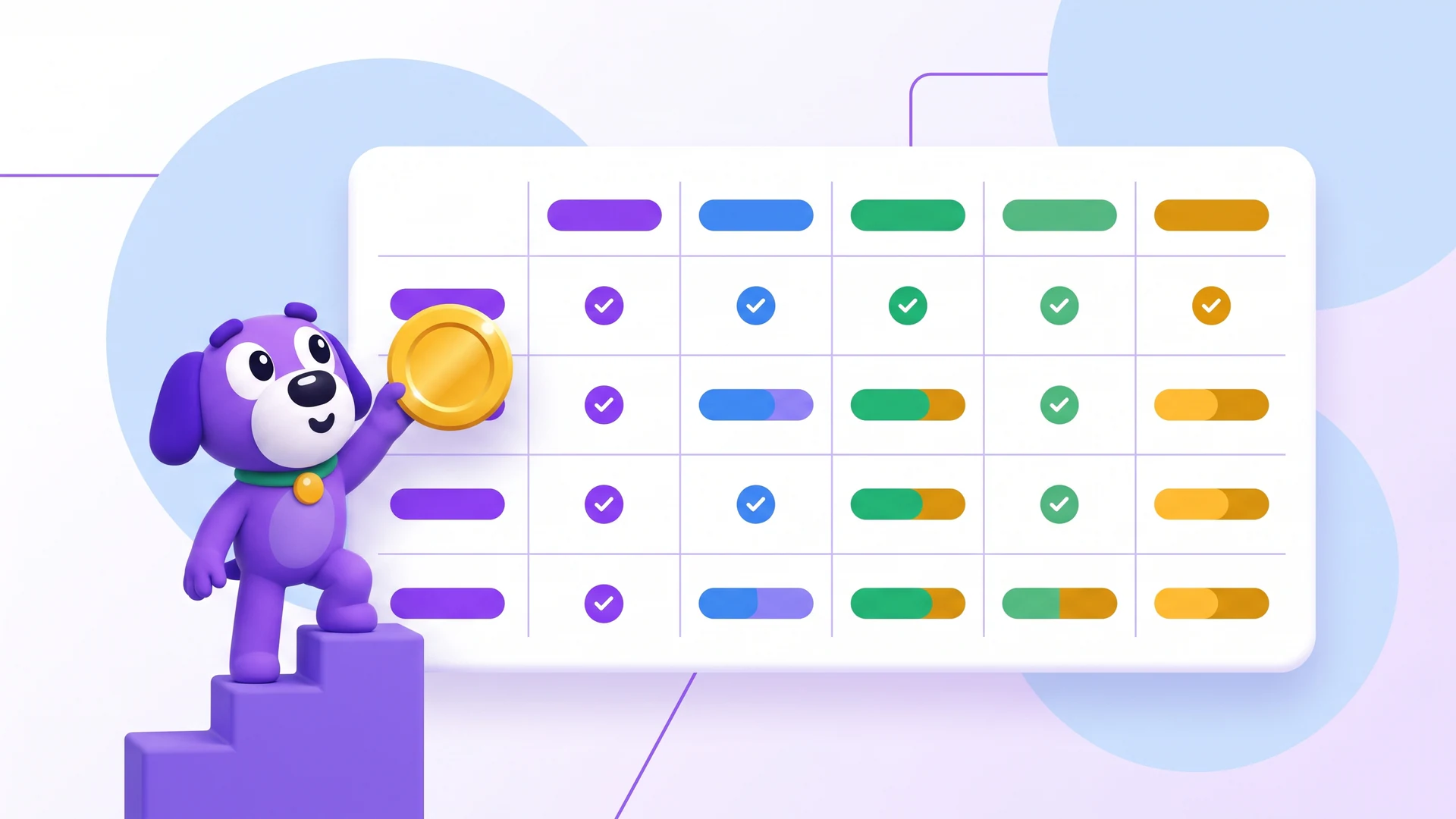
Compare correctly prioritized accounts, time to launch, errors avoided, responses handled, maintenance, and qualified conversations. Keep track of the date, version, and plan tested: both products may evolve after publication.
Activity metrics—sent volume, views, or connections—describe the work produced. Progress metrics—relevant replies, qualified conversations, held meetings, and opportunities—describe the value created. A good learning loop always connects both and keeps a sample of the messages actually sent.
How to use it with Flairo#
Start with the personalized deliverable on this page. Then turn each hypothesis into a focused campaign: one segment, one signal, one angle, and one call to action. Flairo can centralize research, scoring, email and LinkedIn sequences, as well as reply analysis. The role of AI is not to dress up a generic message; it is to make a specific observation actionable faster.
To build the full system, continue with the signal-based prospecting guide, the ICP + timing scoring model, and the 30-day outbound playbook.