Decision-makers are constantly bombarded with agency messages promising an expert, available team. To cut through the noise, you need to connect a specific capability to a visible initiative: a migration, launch, technical debt, hiring peak, international expansion, new platform, or integration need.
This guide is not a collection of abstract advice. It accompanies a Flairo workflow at the top of the page: answer a few questions, get a tailored recommendation for your context, and copy the deliverable into your CRM or upcoming sales sprint. No account creation is required to test the experience.
The decision this guide should help you make#
Identify the intersection where your proof is strongest: an industry, a type of project, and a technology or skill set. You also need to decide whether you are selling a dedicated team, a diagnostic, a scoped outcome, or staff augmentation. This decision alters the target prospect, the messaging, and the perceived risk.
Segment by initiative rather than company size#
Two companies of the exact same size can have completely opposite needs. Look for observable transformations: a redesign, stack migration, developer hiring surge, new customer portal, post-acquisition integration, or compliance constraint. Then, describe what your team has already delivered in a comparable context, without forcing an exaggerated parallel.
Treat buying signals as capacity hypotheses#
A job posting might signal growth, replacement, or early-stage exploration. A product launch might already be completed rather than imminent. Cross-reference multiple signals and timestamp them. Your messaging should state what you observe, the potential impact, and the question you want to validate. This discipline prevents intrusive pitches like "you probably need developers right now."
Lower the initial barrier to entry#
A technical diagnostic, a scoping workshop, or a timeboxed prototype is much easier to buy than a six-month contract. Define the deliverable, duration, success criteria, and assigned team. A small initial engagement is not a Trojan horse or free work; it should deliver standalone value and enable a meaningful decision even if the main project does not move forward.
Build reusable social proof#
Turn project debriefs into checklists, anonymized architecture diagrams, capacity calculators, and common pitfall guides. These assets feed sales conversations, SEO, and developer communities. To automate without sacrificing context, compare the approaches outlined in SDR agent, copilot, or autopilot.
The 7-day actionable sprint#
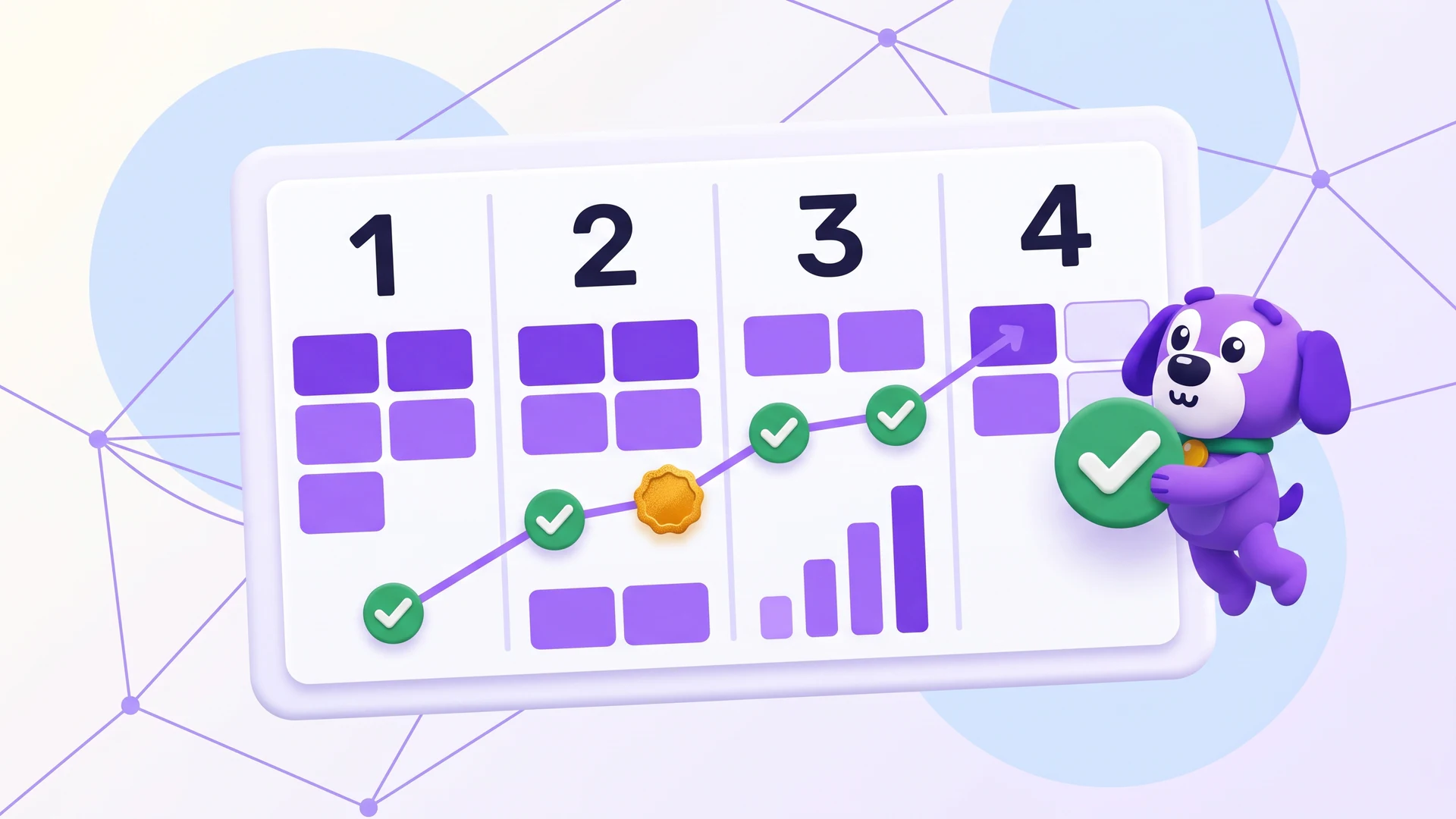
The goal of a short sprint is not to automate everything. It is designed to reduce uncertainty through a small volume of observable actions. Keep the same target, the same offer, and the same definition of success for one week; otherwise, you won't know what drove the outcome.
- 01
Day 1 — Choose a recurring initiative type and list the public signals that make it visible.
- 02
Day 2 — Build a list of twenty accounts and filter out those with stale or ambiguous signals.
- 03
Day 3 — Pair two case study proofs with tangible business outcomes.
- 04
Day 4 — Scope an entry-level offer with a fixed duration and deliverable.
- 05
Day 5 — Test five outbound messages centered on the initiative rather than your agency’s credentials.
- 06
Day 6 — Review replies, objections, and non-responses. Disentangle issues with targeting, timing, and messaging before modifying the campaign.
- 07
Day 7 — Keep what generated meaningful conversations, document what failed, and pick a single hypothesis to test the following week.
Measure without self-deception#
Track conversations where the project is confirmed, accepted diagnostics, proposals, time-to-decision, and projected margins. Distinguish prospects who lack internal capacity from those for whom it isn't a priority: they require different messaging and different next steps.
Activity metrics—volume sent, profile views, or connections—measure output. Progression metrics—relevant replies, qualified conversations, held meetings, and pipeline opportunities—measure value created. A good learning loop connects both and archives samples of the actual messages sent.
How to use this with Flairo#
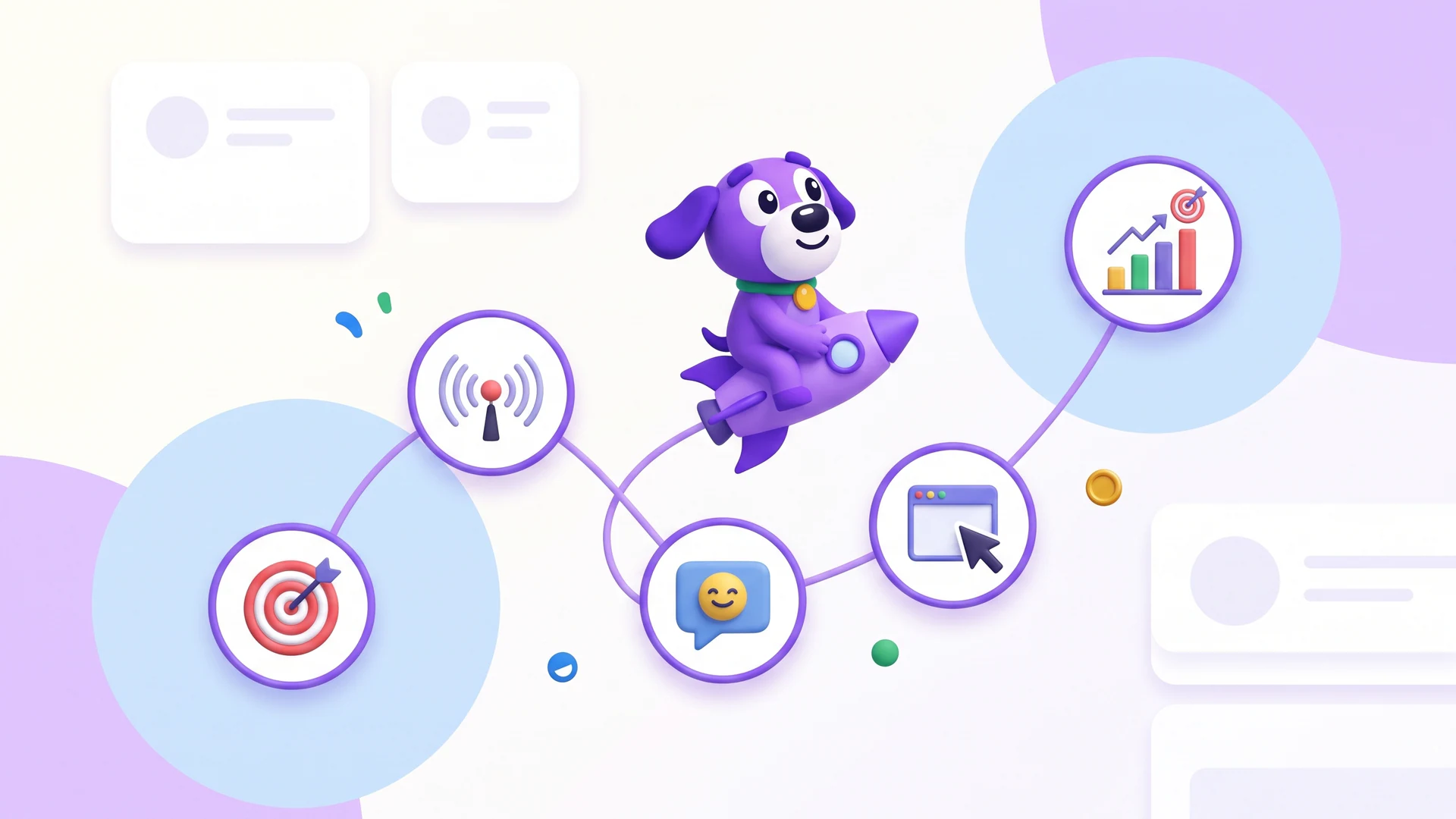
Start with the personalized deliverable on this page. Then, turn each hypothesis into a scoped campaign: one segment, one signal, one angle, and one call to action. Flairo can centralize research, scoring, email and LinkedIn sequences, and reply analysis. AI's role isn't to disguise generic messaging; it's to make specific observations faster to execute on.
To build the complete system, continue with the buying signal prospecting guide, the ICP + timing scoring model, and the 30-day B2B outbound playbook.